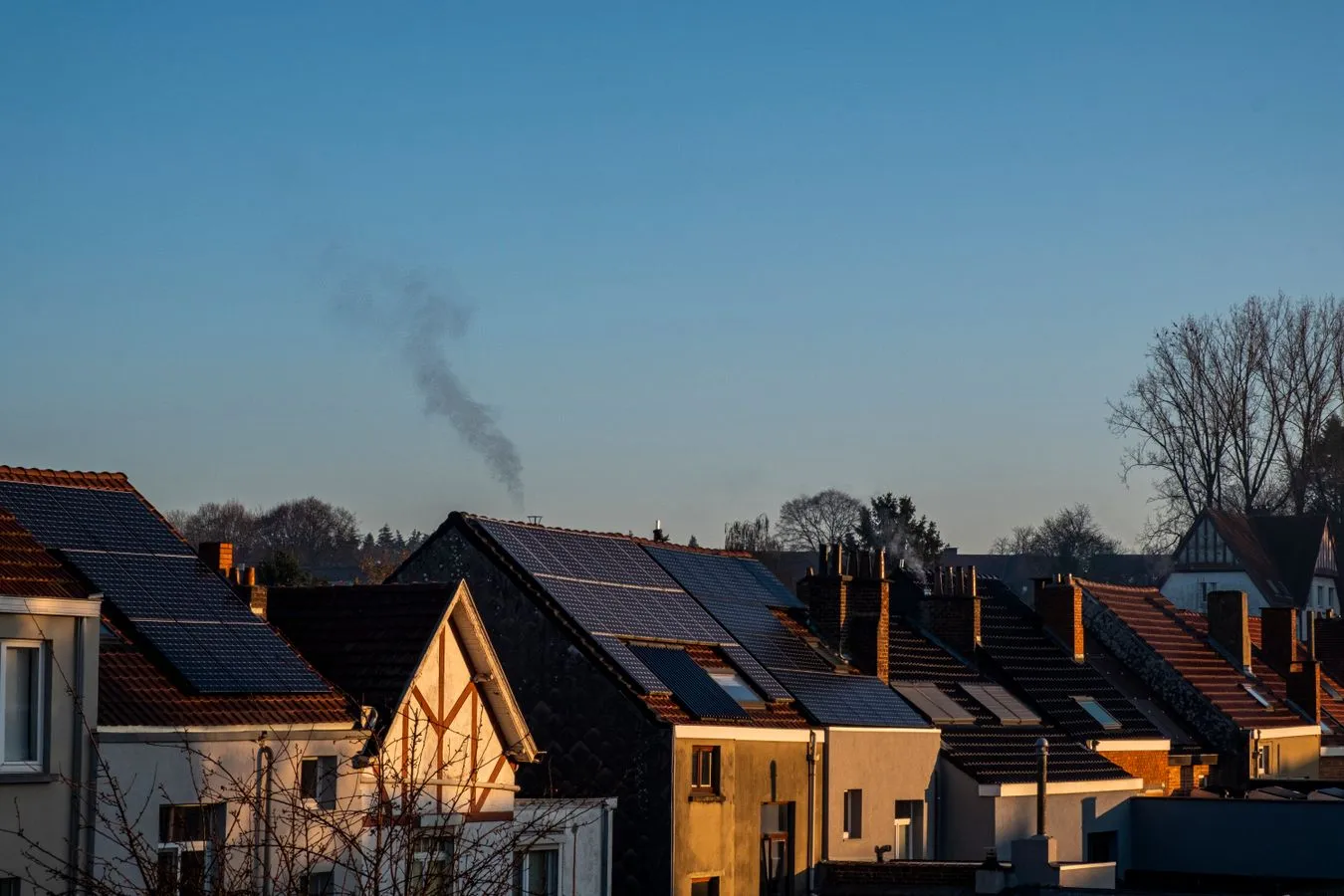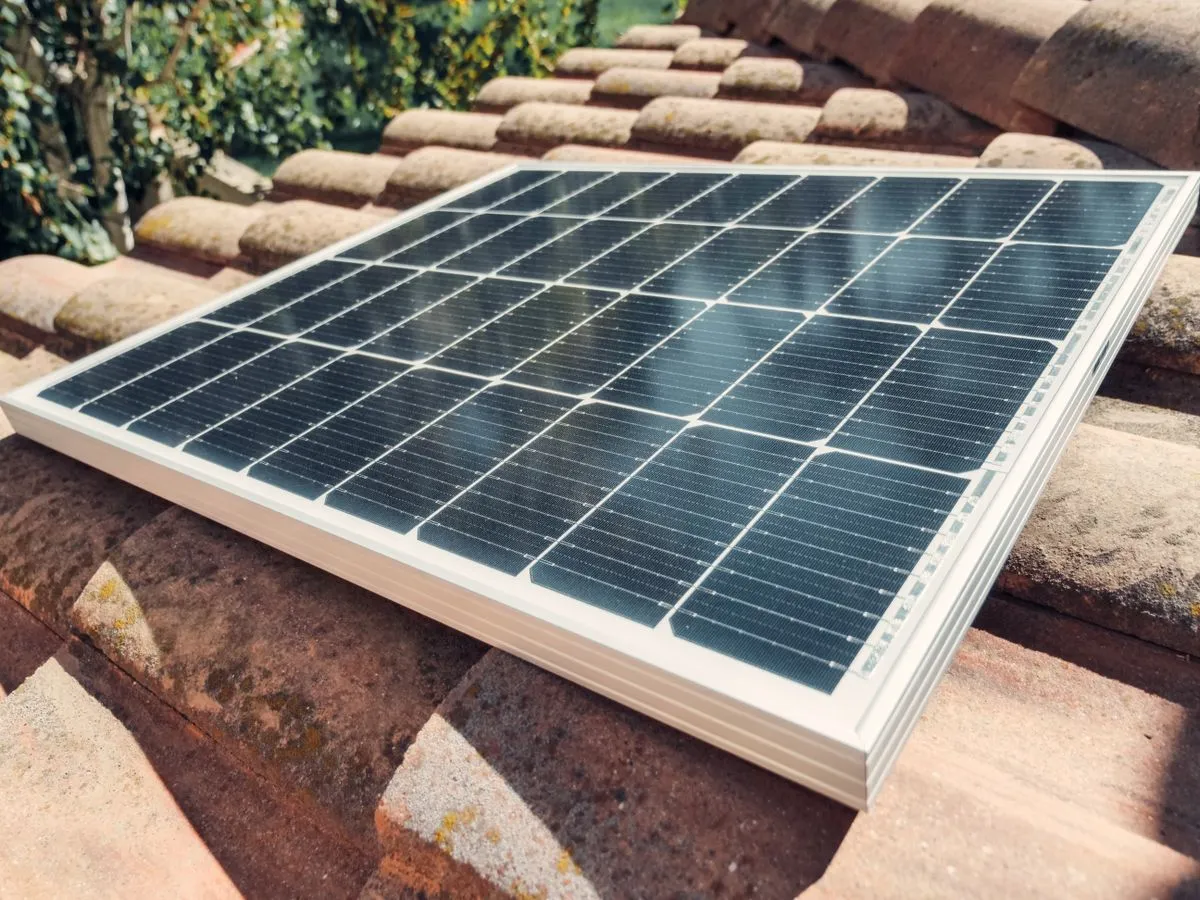
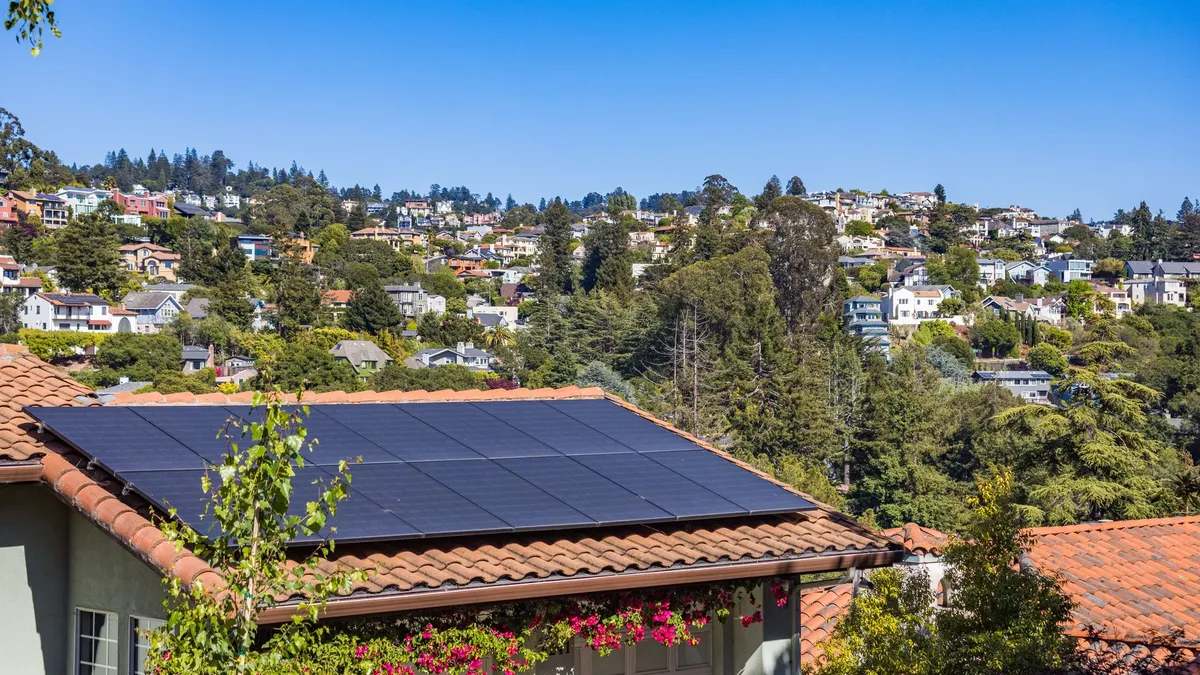
The Balearic Islands’ self-consumption grants for 2026-2027 are now open, and the question we hear most often at VATSOLAR is always the same: how do you apply, and who is actually eligible. The call has fine print worth knowing before you start, mainly because it does not work the way most people assume. This guide explains step by step how to apply and where each profile fits.
If what you want is the full detail of percentages, limits and beneficiaries per programme, you will find it on the Balearic Islands self-consumption grants 2026-2027 page. This article focuses on the process: what you have to do, in what order, and with which documents.
What the 2026-2027 call covers
Resolution 6663, published in BOIB 83 on 2 July 2026, opens a call with an initial budget of 4,118,912 euros and a deadline of 28 February 2027. It includes four action programmes:
- Solar. Self-consumption installations of up to 500 kWp.
- Heat pumps. Renewable thermal installations with a seasonal performance factor (SPF) above 2.5.
- Batteries. Storage tied to self-consumption, up to 200 kWh eligible.
- Charging. Private EV charging points of up to 15 kW.
One important detail: the call is resolved without competitive ranking. That means projects are not compared against each other to decide which ones receive the grant. What counts is your order of entry with a complete file, which is why well-prepared documentation matters as much as the project itself.
Who can apply for each grant
This is the part that surprises people most. Not every profile can access every programme, and the most relevant case for a home is that of private individuals.
| Beneficiary type | Solar | Heat pumps | Batteries | Charging |
|---|---|---|---|---|
| Small, medium and large companies | Yes | Yes | Yes | Yes |
| Energy or owners’ communities and non-profit entities | Yes | Yes | Yes | Yes |
| Public bodies, universities and research centres | Yes | Yes | Yes | Yes |
| Private individuals and self-employed as natural persons | No | Yes | Yes | Yes |
The practical takeaway: if you are a private individual, you cannot apply for the solar panel grant within this call. The photovoltaic programme is reserved for companies, communities and entities. You do, however, have access to the heat pump, battery and private charging programmes.
An owners’ community or an energy community is listed among the beneficiaries of the photovoltaic programme, provided it meets the general and technical conditions. This is an increasingly common route for shared self-consumption in apartment blocks.
How much can be subsidised
The maximum percentage depends on the programme and the size of the beneficiary. These are the ceilings of the call:
| Programme | De minimis or no state aid | Small company | Medium company | Large company |
|---|---|---|---|---|
| Solar | 70% | 60% | 50% | 40% |
| Heat pumps | 70% | 60% | 50% | 40% |
| Batteries | 45% | 40% | 35% | 30% |
| Charging | 70% | 40% | 30% | 20% |
Here is the nuance that avoids nasty surprises: these percentages do not apply to the full installation budget, but to the cost the authorities consider eligible, within the modules and limits set by the call. A grant “of 70%” therefore does not mean paying only 30% of the invoice. The real amount depends on how each file is classified.
How to apply step by step
The grant is not paid when you sign. First the file is submitted, then the work is carried out and justified, and finally the authorities review and pay. The usual route has five stages:
- Initial review. The action, the power output and the applicant category are defined before closing the project. This is where you decide which programme to apply for and at what percentage.
- Project and budget. The technical and economic proposal describing the installation is prepared. It is the foundation of the whole file.
- Online application. The beneficiary submits the file through the specific procedure of the Government of the Balearic Islands, within the call deadline.
- Execution and legalisation. The installation is carried out within the set deadline and the corresponding authorisations and installation certificate are registered.
- Justification and payment. The final report, invoices, proof of payment and the rest of the required evidence are submitted. Once reviewed, the grant is paid.
The point where most files run into trouble is the third: an application filed with incomplete documentation loses its order of entry, and in a first-come call that can leave you without funds even if the project is flawless.
Documents you will need
The exact list depends on the programme and the profile, but it almost always includes:
- Applicant identification and, where relevant, proof of representation.
- Technical report or project of the installation, with power output and specifications.
- Itemised budget or proforma invoice from the installer.
- Responsible declarations and, for companies, the applicable state aid classification (de minimis or general regime).
- At the justification stage: final invoices, proof of payment, installation certificate and final report.
What if you are a private individual who wanted solar?
You are not left with nothing. Although the regional photovoltaic programme does not admit natural persons, the savings route for a private individual is solid and, moreover, does not depend on any budget that can run out:
- IBI property tax rebate of between 25% and 50% over several years in most Balearic municipalities.
- ICIO construction tax rebate of up to 95% on the building permit, depending on the municipality.
- Income tax (IRPF) deduction of up to 60% for works that improve the home’s energy efficiency.
You will find the detail of these three, with the table by municipality, in the guide to IBI and ICIO rebates for solar panels in the Balearic Islands. Unlike the regional subsidy, these stack together and have no waiting list.
Where to start
Before moving a single piece of paper, it is worth knowing which installation you need and how much it costs. With the VATSOLAR configurator you get, in a minute, an estimate of the power output, the indicative cost and the energy your roof would produce, without waiting for a call. From there, the VATSOLAR team prepares the project, identifies the programme that applies to you and handles the grant file from start to finish. That way you make sure the application goes in complete and on time, which is exactly what decides who gets paid in this call.