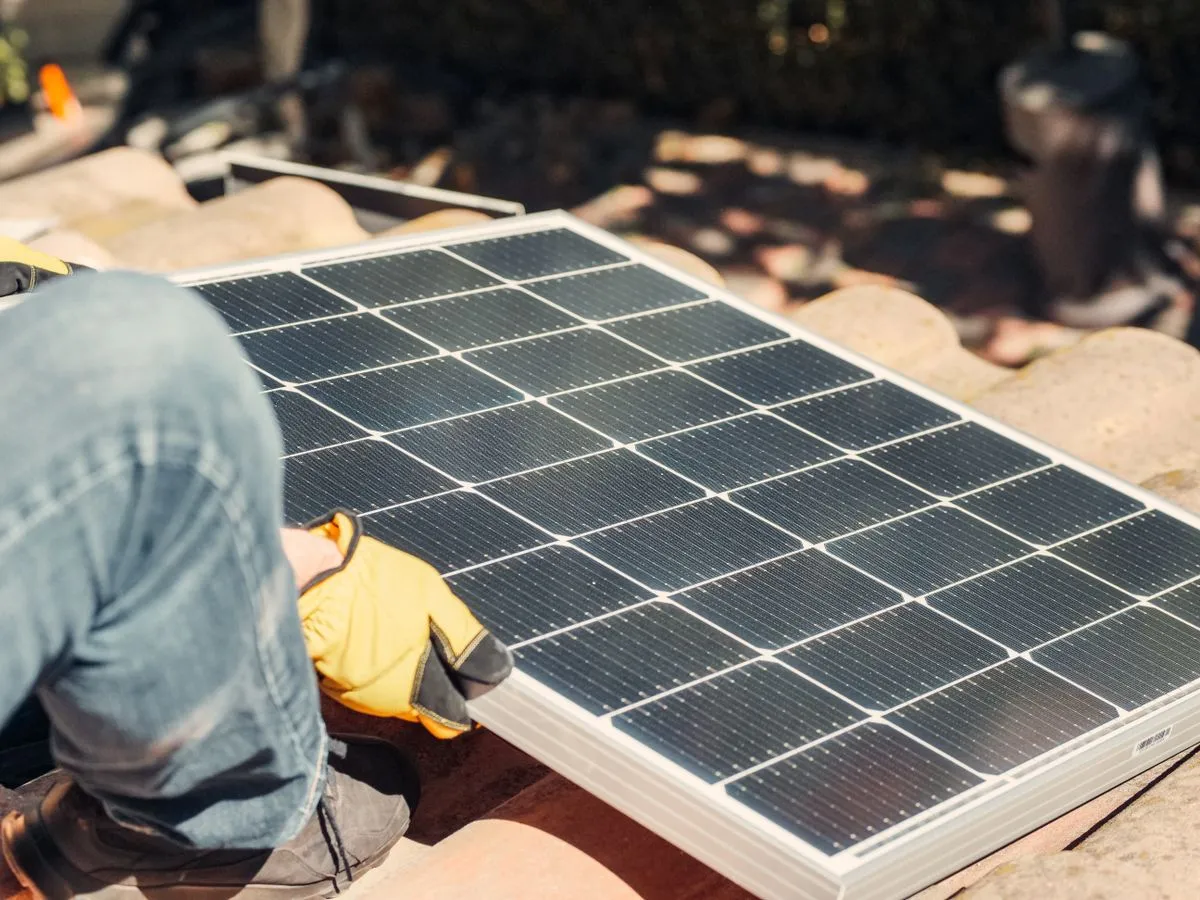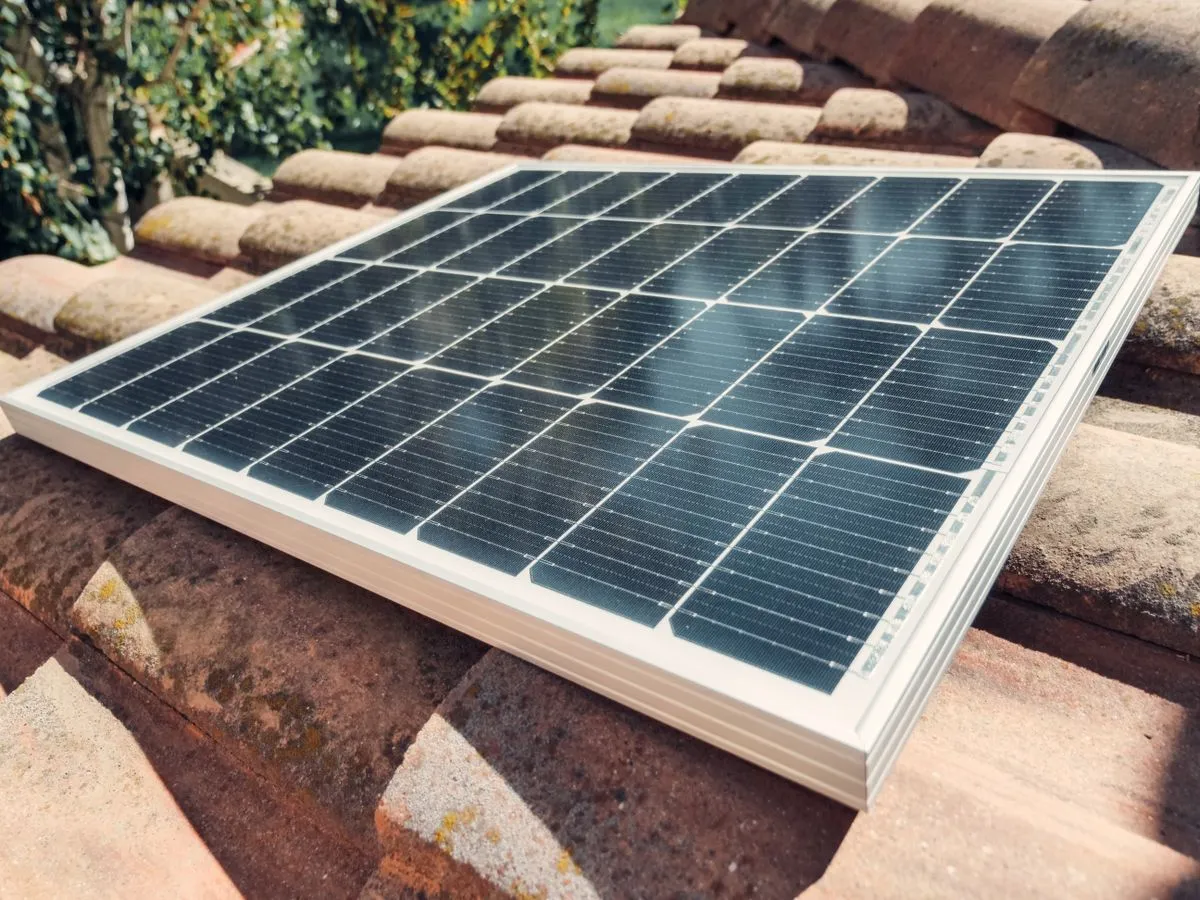

The battery is the piece that has changed the home solar market the most in recent years. It is also the one that raises the most questions: what capacity, what price, and when it makes sense. The short answer is that a battery is not picked by eye; it is sized. The long answer, with Balearic figures, is this article.
What a battery actually does for you
Without a battery, a well-sized installation lets you self-consume around 60% of the energy you produce: the rest is exported to the grid and credited on your bill, but at a lower price than what you pay for grid electricity.
With a battery, the midday surplus does not leave: it is stored and used in the evening and at night. Self-consumption rises to about 78%, and every point of that rise is energy you stop buying at full price.
The three capacities we use in the Balearics
In residential installations we work with three indicative capacity steps, sized to the power of the photovoltaic system:
| Indicative capacity | For which system | Indicative price (VAT excluded) |
|---|---|---|
| ~7 kWh | Small installations, up to about 3-4 kW | ~4,900 euros |
| ~14 kWh | Medium installations, about 5-7 kW | ~8,500 euros |
| ~21 kWh | Large installations, 8 kW and above | ~12,000 euros |
Prices are indicative, turnkey and for new installations; each project is confirmed at the technical visit. What does not change is the principle: the battery capacity must match the power of the system that charges it.
Why you do not pick the capacity yourself (and why that is good news)
A battery too large for your system never fully charges in winter; one too small runs out every summer evening. That is why the sizing comes from a technical calculation on the inverter and array power, not from a catalogue preference.
In our configurator, the battery is offered already sized for the system it recommends, with the capacity and price in plain sight. If your case has particularities, such as very high night consumption, the technical visit adjusts it.
The 2026-2027 grants do cover batteries
A detail many people miss: although the photovoltaic programme of the 2026-2027 Balearic call does not accept private individuals, the battery programme does. Aid ranges from 30% to 45% of the eligible cost depending on the applicant type, with a deadline of 28 February 2027. Details in our guide to the Balearic energy grants 2026-2027.
On top of that come the municipal IBI and ICIO rebates and the Spanish income tax deduction, which apply to the installation as a whole.
When a battery makes the most sense
- Evening-heavy consumption. If you work away from home and your heavy use starts at 7 pm, the battery is the difference between using your production or selling it cheap.
- Tight contracted power. A battery can cover consumption peaks without raising your contracted power.
- Areas with outages or a weak grid. In rural areas and detached houses, a battery provides a supply cushion the grid does not always guarantee.
Run the numbers for your case
The fastest way to know whether a battery pays off for you is to see your figures together: system cost, recommended battery capacity and estimated annual production. Our configurator calculates it in one minute from your roof and your bill, with no calls. And if you decide to go ahead, we prepare the paperwork for the battery grants and the municipal rebates.