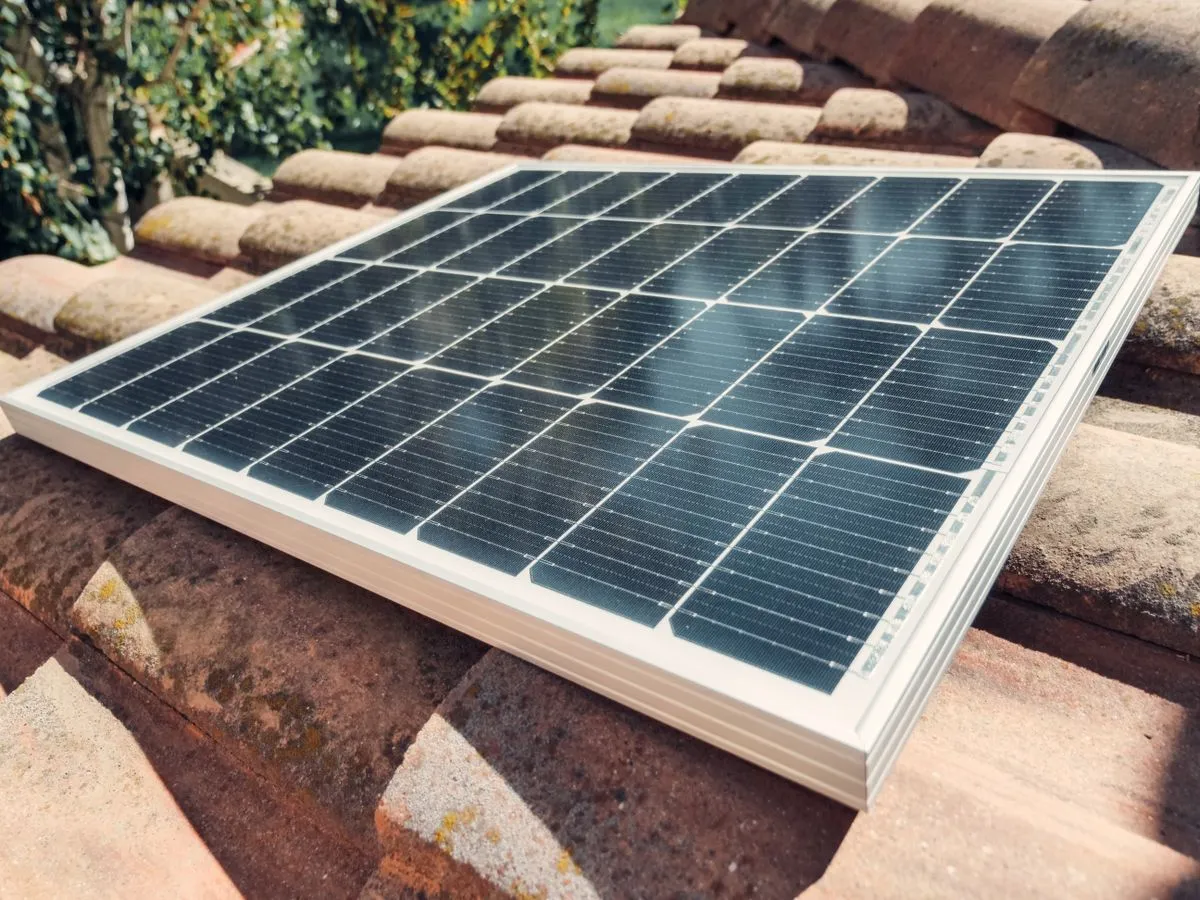
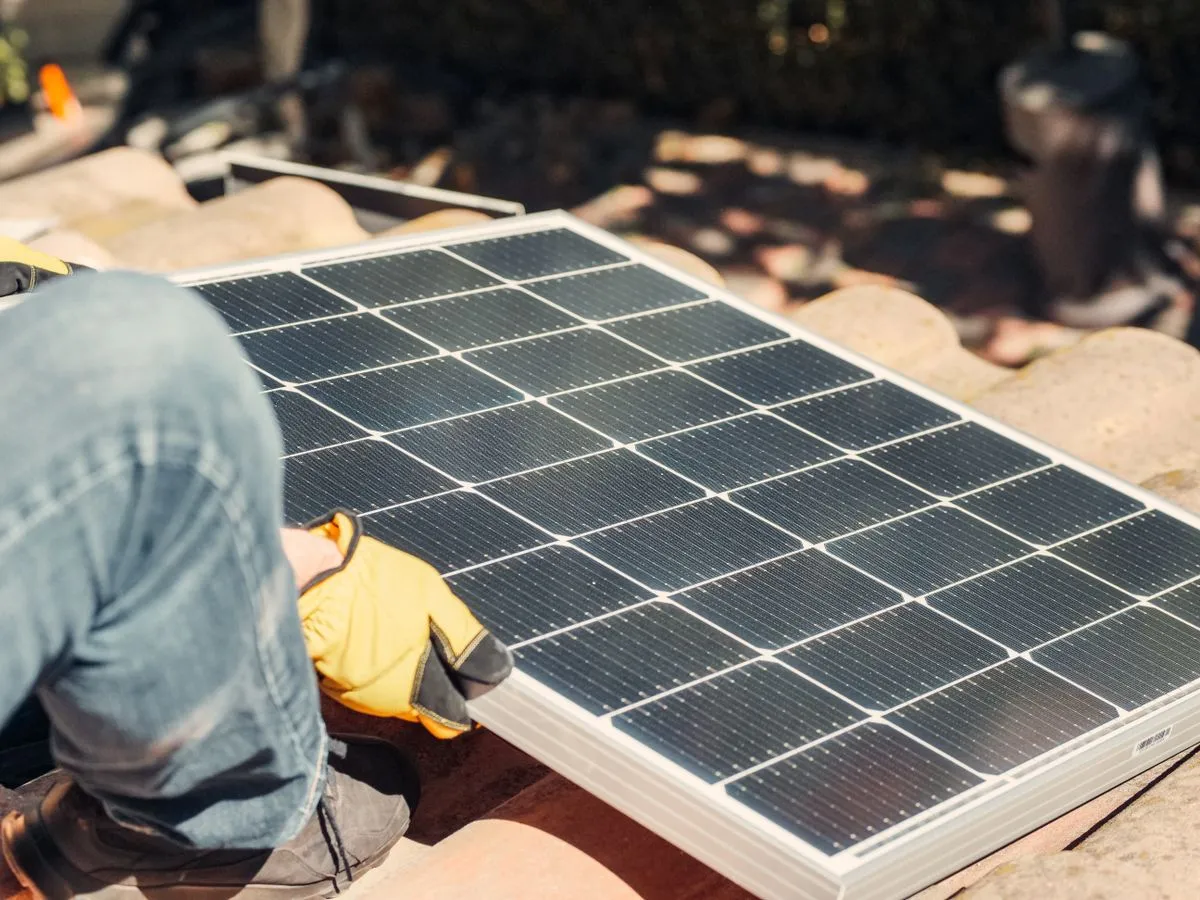
It is the first question everyone asks before going solar: how many panels do I need. The answer does not come from a catalogue; it comes from your electricity bill. In the Balearic Islands, with some of the best solar ratios in Spain, the starting rule is simple enough to run the numbers in a minute.
The quick rule: monthly bill divided by 22
For a home in the Balearics, you can approximate the indicative capacity in kW by dividing your monthly bill in euros by 22. It is the same rule our configurator uses as a starting point before adjusting it to your actual roof:
| Monthly bill | Indicative capacity | 440 W panels | Roof needed |
|---|---|---|---|
| 60 euros | ~2.7 kW | 6-7 | ~15 m² |
| 120 euros | ~5.5 kW | 12-13 | ~30 m² |
| 200 euros | ~9 kW | 20-21 | ~50 m² |
Two notes on the table. First: each kW takes about 5.5 square metres, so the available roof can limit the capacity before your consumption does. Second: these are indicative figures; the orientation, pitch and shading of each roof move the final result.
Why the bill is the best starting point
Your bill summarises your real consumption: appliances, schedules and seasonality. A house with summer air conditioning and a pool does not consume like a flat with moderate use, and the bill reflects that better than any average.
Good sizing aims to cover the bulk of your daytime consumption, which is when the panels produce. Without a battery, a well-sized system lets you self-consume around 60% of the energy; with a battery the ratio rises to about 78%, because the day’s surplus is used in the evening instead of being exported to the grid.
How much energy you will produce
In the Balearics, each installed kW produces around 1,550 kWh per year, based on PVGIS reference data for the area. The table’s examples, translated into energy:
- 2.7 kW produces about 4,200 kWh per year.
- 5.5 kW produces about 8,500 kWh per year.
- 9 kW produces about 14,000 kWh per year.
For context, an average home consumes between 3,000 and 5,000 kWh per year. The goal is not to produce as much as possible, but to produce when you consume and to size the system sensibly.
The most common mistakes
- Sizing for peak consumption. August with the air conditioning on is not your whole year. You size for annual consumption, not the worst month.
- Ignoring the roof. If the well-oriented surface is limited, a tighter system with high-output modules beats forcing panels into shaded areas.
- Forgetting the electric car. If you plan to charge an EV at home, factor it in from the start: it changes the recommended capacity.
Run the numbers on your actual roof
The rule of 22 gives you the order of magnitude, but the precise figure comes from your specific roof. With our configurator you outline your roof on the map, enter your monthly bill and get the recommended capacity, indicative cost and estimated annual production in one minute. No calls and no commitment: the technical visit only confirms the numbers once you decide to move ahead.