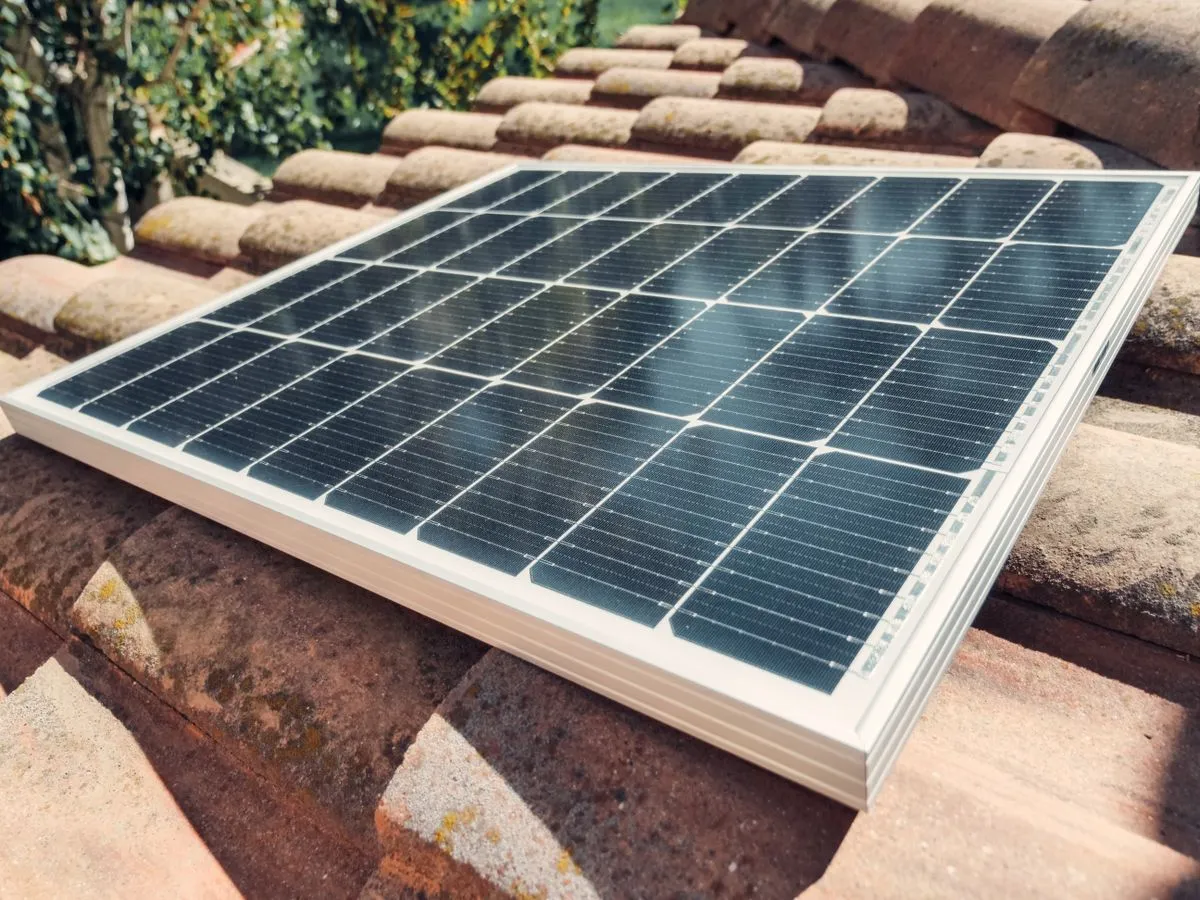
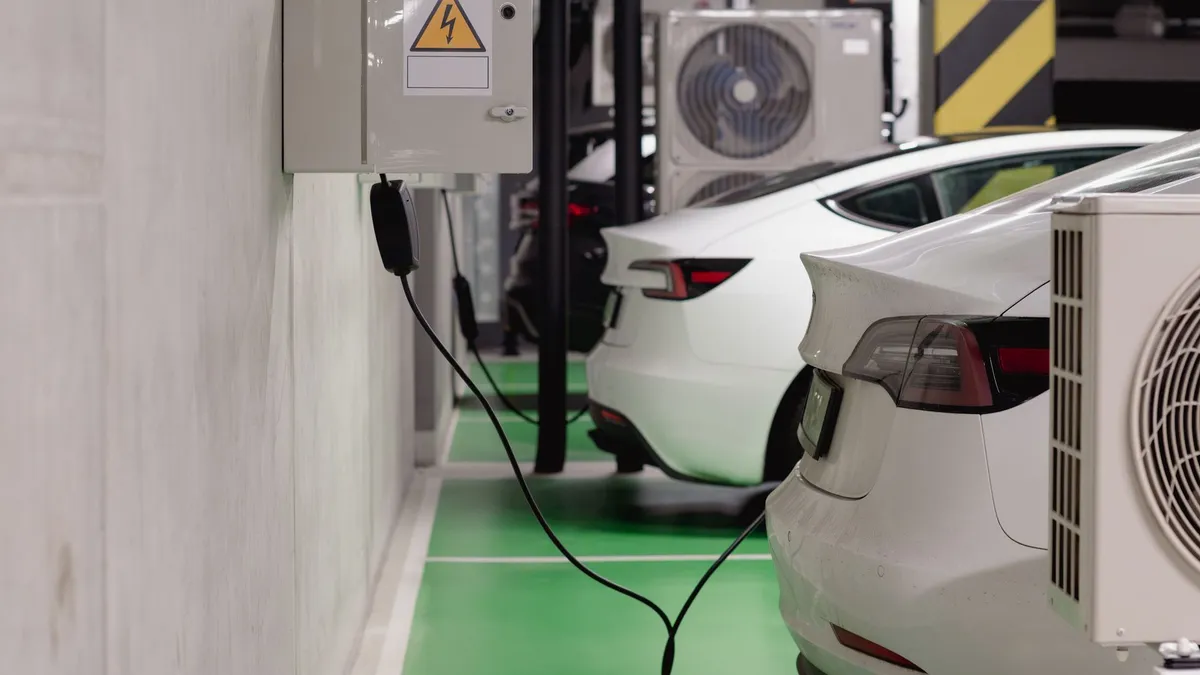
In Mallorca more and more households are combining two decisions that fit together naturally: putting solar panels on the roof and installing a charging point for the electric car. At VATSOLAR we are often asked about it, and the short answer is that they make a lot of sense together, because the sun that is left over during the day turns into kilometres for the car. This article explains how that combination works, how much power you need and why it is worth approaching as a single project.
Why panels and charger fit together in the Balearic Islands
An electric car is the largest and most flexible load a home usually has. It does not need to charge at a specific time: it only needs to be ready when you leave. And in Mallorca, where there are many hours of sun throughout the year, that flexibility is exactly what makes solar panels and the charger complement each other.
Without a charger, much of the energy the panels produce at midday, when there is almost nobody home, is exported to the grid at a low surplus price. With a car plugged in during those hours, that same surplus stops leaving the house and stays in the vehicle as range.
Charging with your solar surplus: how it works
The idea is simple: when the panels produce more than the house consumes, that surplus is sent to the charger instead of being exported to the grid.
Chargers with dynamic load management do this automatically. They measure how much energy is left over at any moment and adjust the power they send to the car, so the vehicle charges mainly on sunlight and draws from the grid only when needed. Some models let you choose between different modes:
- Solar only: the car charges only on the surplus from the panels.
- Solar plus grid: it guarantees a minimum power and tops up with sun when available.
- Fast charging: it ignores the solar criterion and charges at full power when you are in a hurry.
This logic is what turns the panels-plus-charger pairing into more than two devices connected to the same wall.
How much power you really need
Here it helps to get down to concrete numbers. An electric vehicle uses, as an order of magnitude, between 15 and 18 kWh per 100 km. A typical daily trip in Mallorca (commuting, taking the children, running an errand) rarely exceeds 50 kilometres, so we are talking about a few kWh a day.
As for the charger, the usual home options are:
- 3.7 kW (single-phase): a gentle charge, ideal if the car spends many hours parked.
- 7.4 kW (single-phase): the most popular option in the Balearic Islands, recovering a lot of range in a few hours.
- 11 or 22 kW (three-phase): only if you have a three-phase connection and need very fast charging.
For most homes, a 7.4 kW point is more than enough. Recovering the range of a normal day on the solar surplus is a matter of a few hours, precisely those around midday.
The role of the home battery
The obvious challenge is that the car is not always at home when there is sun. Someone who leaves in the morning and returns at dusk finds that the highest production arrives while the vehicle is away.
This is where the home battery comes in. It stores the day’s surplus and makes it available to charge the car at dusk or at night, when there is no longer any sun but the vehicle is at home. It is not essential for adding a charger, but it greatly widens the hours in which you can charge on your own energy. If you want to go deeper into sizing one, we explain it in the guide on home batteries: what capacity you need.
One project, not two jobs
Installing the panels and the charger at the same time has a practical advantage that is often overlooked: you avoid setting everything up twice.
When it is done together, the same project shares the electrical panel, the protections and the paperwork. The installer sizes the whole system knowing there will be a car charging, connects the charger to the right point on the panel and leaves the system ready for panels, charger and, where applicable, battery to work together. Doing it separately tends to end in a second job, with the cost and disruption of opening everything up again.
To get a sense of how many panels would suit you to start with, you can read our guide on how much solar panels cost in Mallorca, which gives a clear reference by installation size.
Grants and tax relief for charging
The charging side also qualifies for some of the support available in the Balearic Islands. The regional self-consumption call includes a specific programme for private charging points, and the municipal IBI and ICIO rebates can accompany the associated solar installation. The detail of who can apply for each is on the page about the Balearic Islands self-consumption grants.
Where to start
Before deciding anything, the most useful thing is to have a clear picture of the installation you need. With the VATSOLAR configurator you get, in a minute, an estimate of the power, the indicative cost and the energy your roof would produce, and you can add the charging point for the electric car. From there, the VATSOLAR team sizes panels, charger and battery as a single system, designed so your car charges, whenever possible, on the sun of Mallorca.